
- Home
- Service & Repair
- Roller Replacement
Quieter Door Travel · Oconomowoc, WI
Garage Door Roller Replacement in Oconomowoc, WI
Rollers are the small wheels that carry your garage door up and down its tracks, and they wear out long before most homeowners think about them. We replace tired, noisy or seized rollers across Oconomowoc and Lake Country, quote the price before work starts, and leave your door running smoother and quieter.
- Same-day service
- Price before we start
- Safety-tested
- Call EarlySame-day visits
- UpfrontPrice before work
- LocalLake Country team
What Rollers Do
Small Parts That Carry The Whole Door
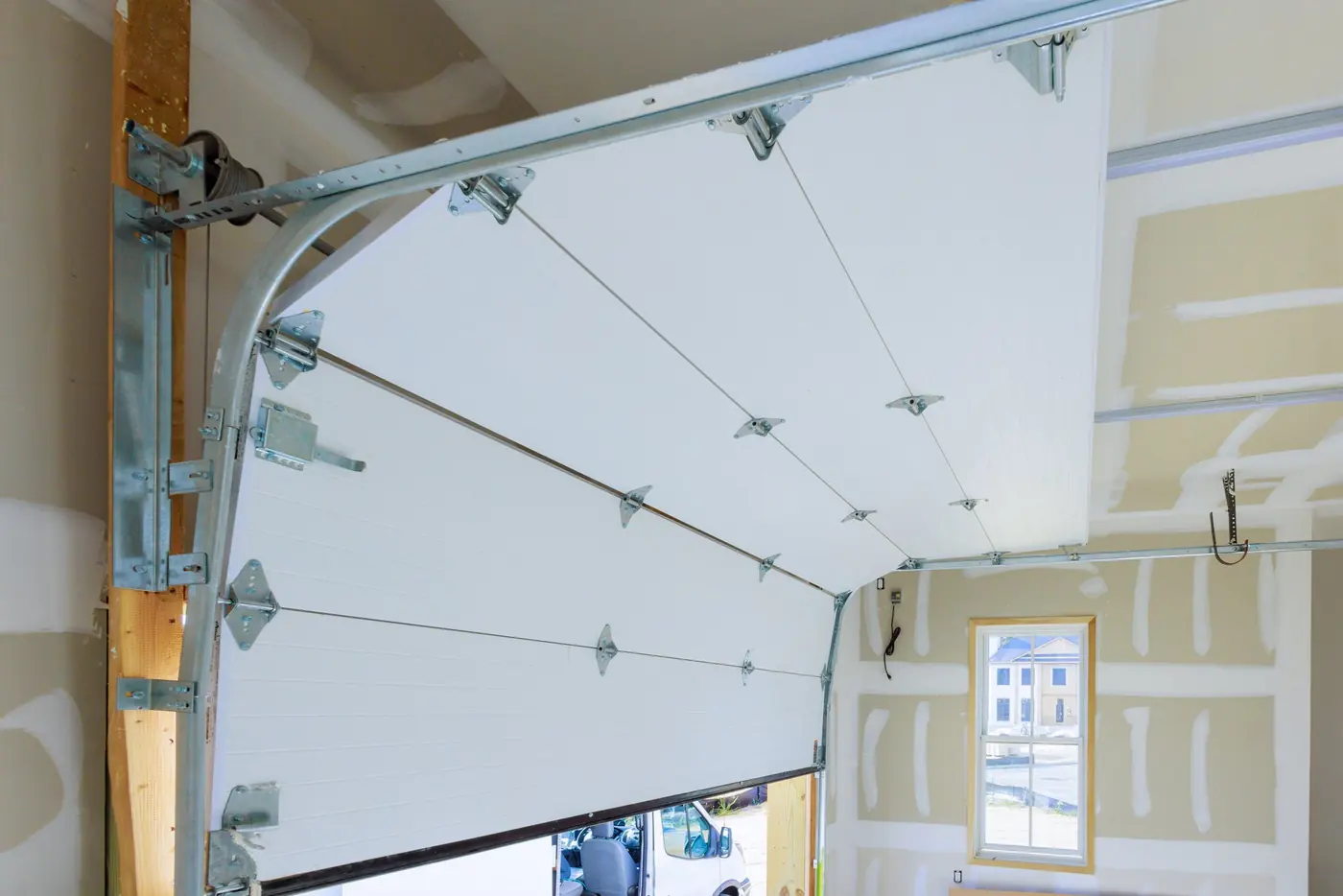
A typical two-car sectional door has ten rollers, sometimes more on tall doors. Each one sits on a stem that slides into a hinge or bracket on the edge of a door section, and the wheel rides inside the vertical and horizontal track. When the opener pulls or the springs lift, the rollers are what let several hundred pounds of steel, wood or composite glide instead of scrape. They also keep the sections lined up so the door seals evenly against the floor and the weatherstrip on the sides.
Because rollers turn every time the door moves, they log a surprising number of cycles. A household that opens the door four or five times a day puts well over a thousand trips a year on each wheel. Cheap rollers that came with many builder-grade doors were never meant to hold up to that for long. The bearings dry out, the wheels flatten or chip, and the stems start to bend. At that point the door gets loud, shakes in the track and makes the opener work harder than it should.
Worn rollers are also one of the quieter causes of other repairs. A roller that grabs or binds can make a door hesitate, which some openers read as an obstruction. A seized roller drags along the track and grinds a groove into the steel over time. Replacing rollers before they fail is one of the easier ways to protect the rest of the system, including the opener, the hinges and the track itself.
Steel Or Nylon
Choosing The Right Roller For Your Door
Most of the rollers we pull off doors in Oconomowoc fall into two groups. The first is the plain steel roller with loose ball bearings and no seal. It is strong and inexpensive, but it is also the loudest option, and the open bearings collect dust, grit and moisture. Once those bearings rust or dry out, the wheel stops spinning freely and starts sliding. You hear it as a rattle or a grinding hum every time the door moves.
The second group is the nylon roller with a sealed ball bearing. The nylon tire is far quieter against a steel track, and the sealed bearing keeps out the dirt and water that kill open bearings. Good nylon rollers use more ball bearings, often ten or more per wheel, and are rated for many more cycles than the basic steel kind. For an attached garage with a bedroom or living space above it, the difference in noise is usually the first thing homeowners notice.
Nylon is not the answer for every door. Very heavy custom wood doors, some carriage-house designs and certain commercial-style doors may call for a heavier-duty roller, and stem length has to match the hinges on your door. We look at the door weight, the hinge style and how the door is used before recommending a roller. If the existing hardware is the wrong size or style, we tell you why and what we would put in instead.
- Plain steel: strong, low cost, noisy, open bearings
- Sealed nylon: quiet, resists moisture and grit, longer service life
- Ball bearing count affects smoothness and lifespan
- Standard and long stems for different hinge styles
- Heavier-duty options for oversized or wood doors
- Stem diameter and wheel size matched to your track
Noise And Wear
Why Old Rollers Get Loud And Start Chewing Track
Garage door noise has a lot of sources, but rollers are near the top of the list. A worn roller makes a few distinct sounds. A dry bearing squeals or chirps. A flat spot on the wheel makes a rhythmic thump as it rolls past the same point. A wheel with a chipped or split tire clacks against the track. A roller that has stopped turning altogether scrapes, and that scraping is the one to take seriously because it is actively wearing the track.
Track steel is fairly thin, and a seized roller acting like a skid will polish a shiny groove into the curve or the vertical run. Bent stems cause a related problem. Instead of riding in the center of the track, the wheel tilts and presses against one edge, which can push the track out of line or let the roller hop out at the radius. When we replace rollers we look closely at the track surfaces and brackets so we can tell you whether the track is still in good shape or needs attention too.
Lubrication helps some rollers and does nothing for others. Open steel bearings may quiet down for a while with the right lubricant, but sealed nylon rollers generally do not need oil on the tire, and spraying the track itself just collects dirt. If a roller is cracked, wobbling on its stem or no longer spinning, no amount of spray will bring it back. Replacement is the real fix.

What To Look For
Signs Your Rollers Need Replacing
Grinding Or Squealing Noise
A door that sounds rough on every trip often has dry or failing roller bearings. If the noise is new or getting louder, the wheels are likely wearing down and may start dragging on the track instead of turning.
Door Shakes In The Track
Watch the door move. If sections wobble side to side or jerk as they pass through the curve, worn wheels or bent stems are letting the door shift. That movement stresses hinges and makes the opener work harder.
Cracked Or Chipped Wheels
Look at the rollers with the door closed. Nylon tires with cracks, missing chunks or flat spots will not roll smoothly anymore. Steel wheels with visible rust around the bearings are usually close to seizing if they have not already.
Rollers That Will Not Spin
A roller that stays still while the door moves is sliding instead of rolling. It is grinding a groove into the track and adding friction the springs and opener were never designed to fight. This one should be addressed soon.
Rollers Popping Out
If a roller has jumped out of the track, especially near the curve, the stem may be bent or the wheel too worn to stay seated. Stop using the door and call, because an off-track door can fall or jam.
Shiny Grooves On Track
Bright polished lines or worn spots inside the track usually mean a roller has been skidding. Catching it early may save the track. Waiting longer can mean replacing track sections along with the rollers.
Our Process
How We Handle Roller Replacement
- 1
Listen And Inspect
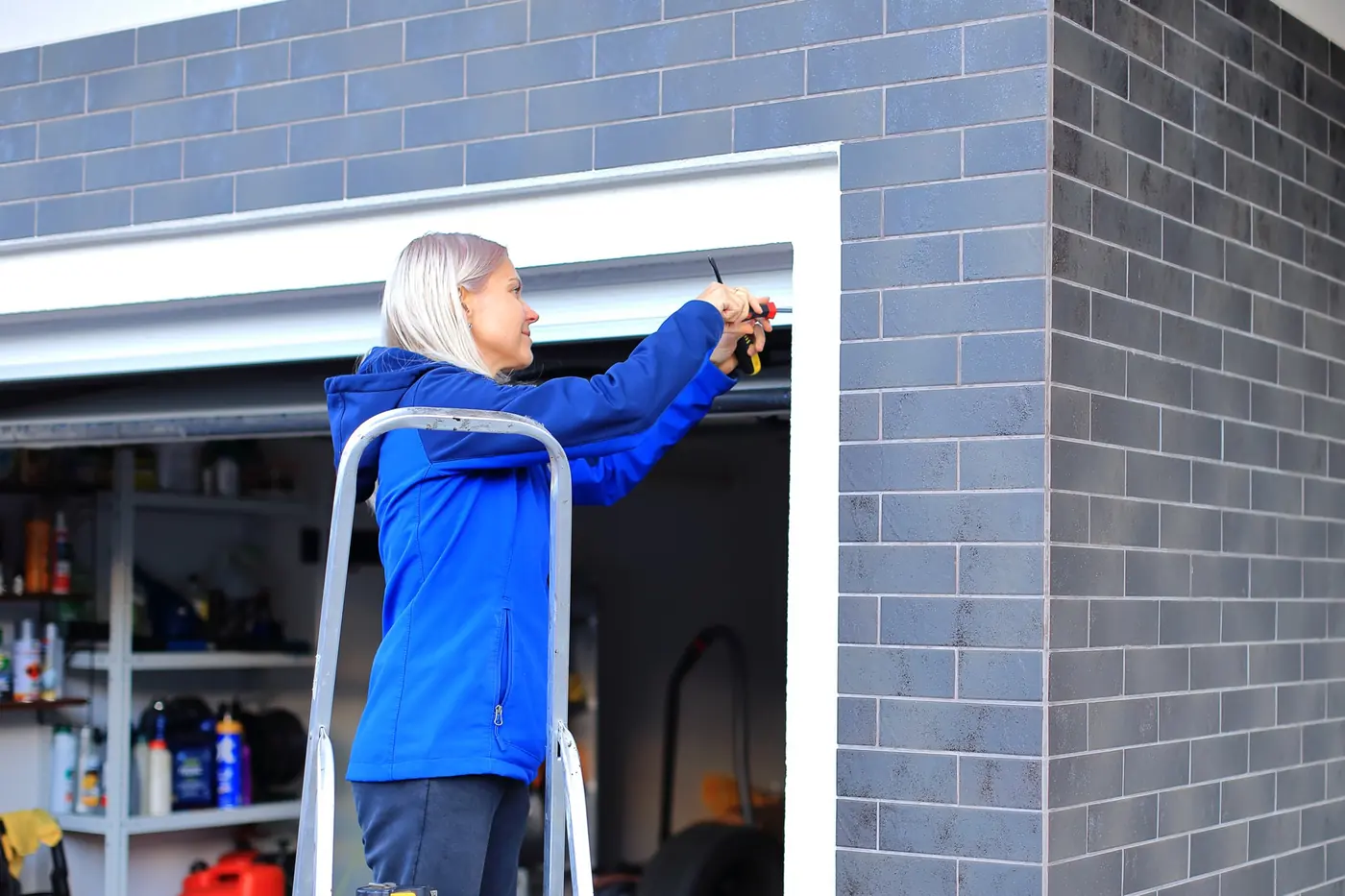
We run the door, listen for the noise you described and check each roller, stem, hinge and bottom bracket. We also look at track condition so we know whether rollers alone will fix the problem.
- 2
Recommend And Quote
We explain which roller type fits your door and how it is used, then give you a clear price before any work begins. If we spot related wear, we price that separately so you can decide.
- 3
Replace Rollers Safely
We secure the door, swap rollers section by section and handle the tensioned bottom brackets with proper tools. Hinges and stems are checked for fit so every new wheel rides straight in the track.
- 4
Test And Adjust
We cycle the door by hand and with the opener, confirm balance, listen for remaining noise and test the safety reversal. Opener settings are fine-tuned if the smoother door now needs a small adjustment.
On The Job
How We Handle A Roller Replacement
Most rollers can be swapped one or two at a time by opening the hinge, sliding the old stem out and setting the new one in place. The bottom rollers are different. On most doors the bottom brackets on each side are connected to the lift cables, and those cables are under tension from the springs. Removing a bottom roller the wrong way can release that tension suddenly. This is the part of the job that sends homeowners to the emergency room, and it is why we ask people not to attempt it.
Our technicians secure the door and handle the bottom brackets with the right tools and the right order of steps. While the door is apart we check the hinges for cracks or elongated holes, look at the cable condition where it meets the bottom bracket, and confirm the door is balanced. A door that is badly out of balance will wear new rollers faster, so we would rather point that out than leave you with a problem that comes back.
When the new rollers are in, we run the door through several full cycles by hand and with the opener. We listen for remaining noise, watch how the door tracks through the curve and confirm the reversal system still works. If the opener force or travel settings need a small adjustment because the door now moves more freely, we take care of it before we leave.
Beyond Rollers
When A Roller Job Turns Into More
Sometimes the roller is only part of the story. A hinge with a cracked knuckle or torn mounting holes can make a brand-new roller sit crooked. A bottom bracket that has rusted through can let the cable pull loose. Tracks that were bent by a car bumper or a snowblower will keep throwing rollers no matter how good the new ones are. We look at the whole path of travel, not just the wheel, so that the money you spend on rollers actually solves the problem.
If we find something else, we explain it plainly, show you the part and give you a price before doing anything beyond what you asked for. Many homeowners choose to replace rollers and worn hinges in the same visit because the door is already apart. Others want to start with rollers and see how the door behaves. Either is a reasonable choice, and it is yours to make. Our job is to give you a clear picture of what we see and a fair quote for each option.

Local Know-How
Lake Air, Road Salt And Oconomowoc Garage Rollers
Rollers in Oconomowoc take a beating that rollers in drier climates do not. Lake Country summers are humid, especially in garages near Lac La Belle, Fowler Lake and Oconomowoc Lake, and that moisture gets into open steel bearings. Winter adds road salt carried in on tires from Highway 16, Summit Avenue and I-94, plus slush that melts and refreezes on the garage floor. All of it ends up near the bottom rollers, which is why those two usually look the worst. Cold snaps stiffen old lubricant so worn bearings bind on frosty mornings. Older detached garages at lakefront cottages often still have their original steel rollers, while newer homes at Pabst Farms may have builder-grade rollers on tall, heavy doors. Sealed nylon rollers hold up well to these conditions.
Roller Replacement FAQ
Questions About Roller Replacement
Answers from the technicians who do this work across Oconomowoc every week.
Ask A Technician01How long do garage door rollers last?
It depends on the roller and how often the door runs. Basic steel rollers with open bearings often start getting noisy within several years in a humid, salty climate like ours. Quality sealed nylon rollers with more ball bearings are rated for many more cycles and usually last considerably longer. A door used as the main entry to the house wears rollers much faster than a door opened once a day.
02Should I replace all the rollers or just the bad ones?
We usually recommend replacing the full set. Rollers wear at roughly the same rate, so if one has failed the others are often close behind. Mixing old and new rollers can also leave the door riding unevenly. That said, if one roller was damaged by an impact and the rest are in good shape, replacing only that roller can make sense, and we will tell you honestly.
03Can I replace garage door rollers myself?
The upper rollers on some doors are straightforward, but the bottom rollers sit in brackets attached to the lift cables, and those cables carry spring tension. Loosening the wrong part can release that force without warning and cause serious injury. For that reason we recommend leaving roller replacement to a trained technician, especially anything at the bottom of the door.
04Will new rollers make my garage door quieter?
In many cases, yes. Swapping worn steel rollers for sealed nylon ones is one of the most noticeable noise improvements you can make. Other sources of noise include loose hardware, a chain-drive opener, worn hinges and an unbalanced door. During the visit we listen for all of these and tell you which ones are contributing so you know what to expect.
05Do nylon rollers hold up in Wisconsin winters?
Quality nylon rollers handle cold temperatures well and are often a better choice here than plain steel, because their sealed bearings keep out the moisture and salt that rust open bearings. Very cheap nylon rollers without real bearings are a different story and can crack. We carry rollers that are suited to the cold snaps and freeze-thaw swings Oconomowoc sees every winter.
06How do I know if it is the rollers or the track?
Rollers that are noisy, wobbly or not spinning are the usual culprit. Tracks are suspect when you see dents, bends, loose brackets or a gap that changes width along the run. Often the two problems feed each other, since a bad roller can wear the track and a bent track can ruin rollers. We inspect both and explain what we find before quoting any repair.

Oconomowoc Garage Door
Ready For A Quieter Door?
Call Oconomowoc Garage Door to schedule roller replacement. We quote the price before work starts and offer same-day service when you call early, so your door can be running smoothly again today.
More Services
Other Ways We Help Oconomowoc Homeowners
Panel Replacement
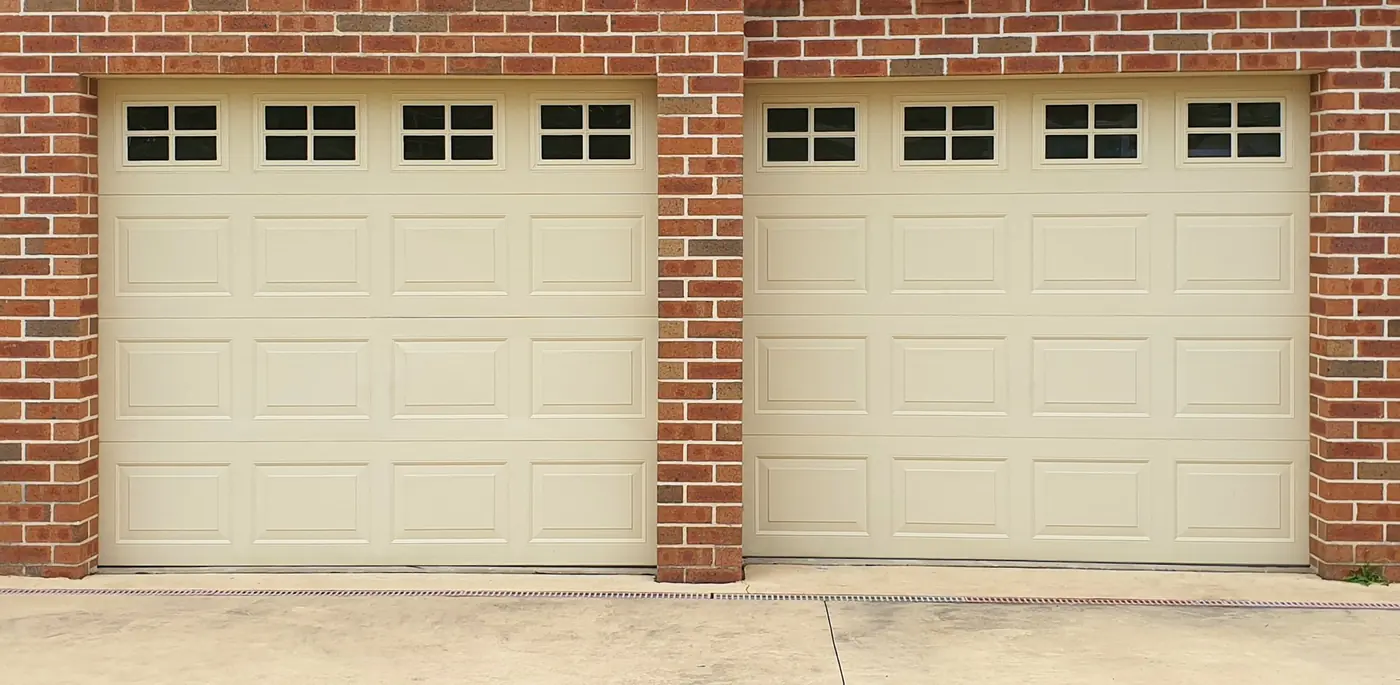
Dented or cracked section? We match the panel and restore a straight, sealed door.
Learn more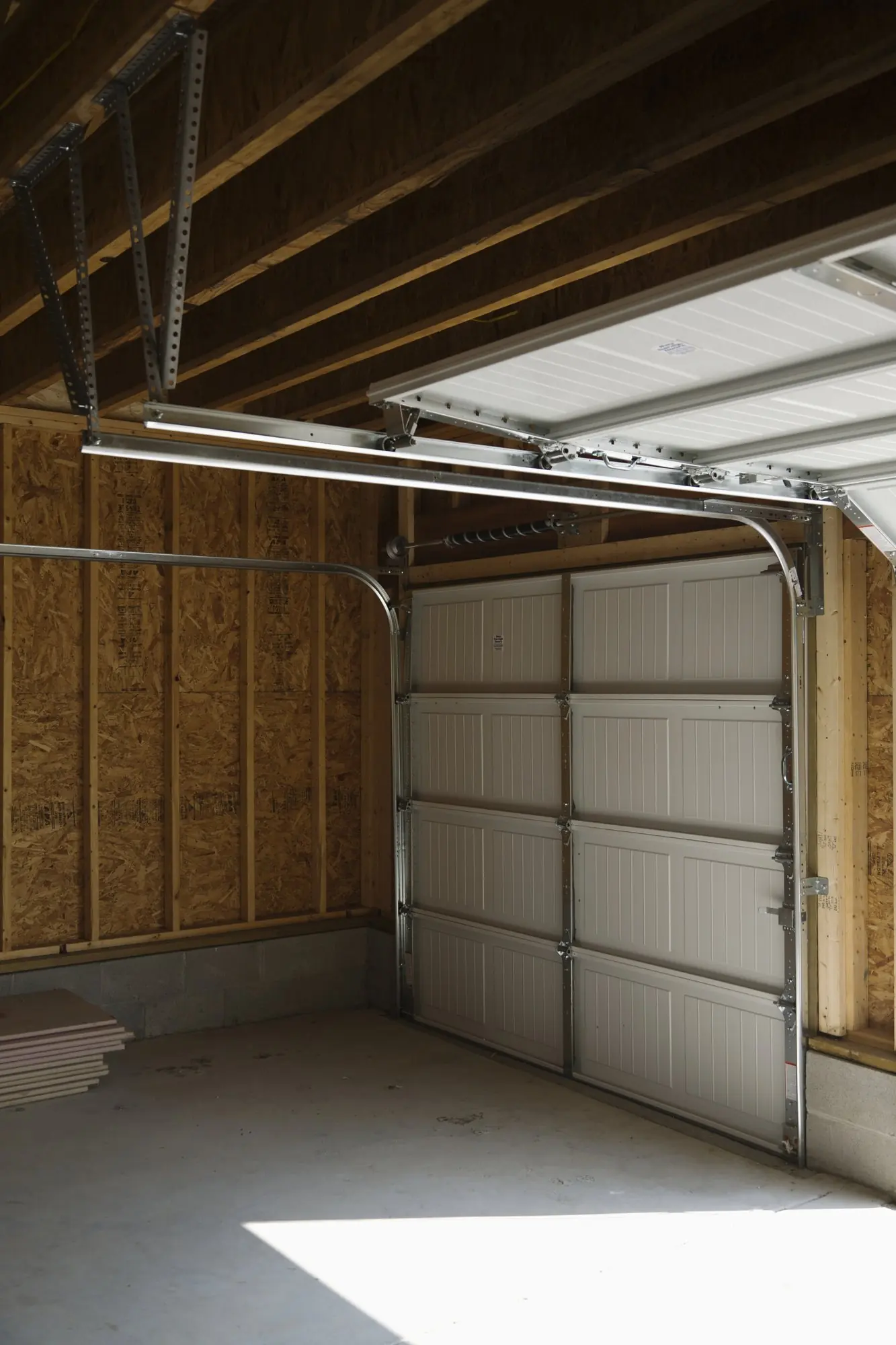
Track Replacement
Bent or misaligned tracks straightened or replaced and brackets re-anchored.
Learn more
Drum Replacement
Worn cable drums swapped and set evenly so both sides of the door lift in balance.
Learn more